Types of Retail Formats: A Complete Guide for Modern Retail Businesses
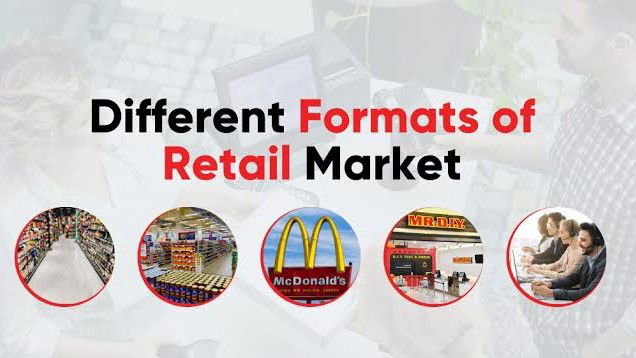
Retail is no longer limited to traditional shops. Today, businesses operate through supermarkets, convenience stores, specialty stores, department stores, online marketplaces, and many other formats.
Understanding different retail formats can help business owners choose the right operating model, manage inventory efficiently, and provide a better customer experience.
What Is a Retail Format?
A retail format refers to the way a retail business is structured and how it sells products or services to customers.
Different formats vary based on:
Store size
Product range
Target customers
Pricing strategy
Shopping experience
Sales channels
Inventory requirements
Here are some of the most common retail formats.
1. Supermarkets
Supermarkets offer a wide range of products under one roof, including groceries, beverages, household products, personal care items, and packaged foods.
Because supermarkets handle large product volumes, they require efficient inventory management, barcode scanning, billing, and sales reporting.
2. Hypermarkets
Hypermarkets combine supermarket and department-store concepts. They generally offer groceries along with clothing, electronics, household products, appliances, and other categories.
Their large product assortment makes stock management and real-time sales tracking particularly important.
3. Convenience Stores
Convenience stores focus on quick and easy purchases. They are usually smaller than supermarkets and are often located in residential areas, fuel stations, or busy locations.
Fast billing, accurate stock tracking, and easy-to-use POS systems can help these stores manage high-frequency transactions efficiently.
4. Specialty Stores
Specialty stores focus on a specific product category.
Examples include:
Clothing stores
Electronics stores
Shoe stores
Mobile phone stores
Cosmetic stores
Furniture stores
Since specialty retailers often maintain detailed product variations such as size, color, model, or brand, organized inventory management is essential.
5. Department Stores
Department stores sell multiple product categories through separate departments within one store.
A department store may include clothing, cosmetics, footwear, home products, electronics, and accessories.
Retail technology can help businesses monitor sales and inventory across different departments.
6. Discount Stores
Discount retailers compete primarily through lower prices and value-focused offers.
Managing margins becomes especially important because businesses need to balance competitive pricing with profitability.
Sales reports, product performance data, and inventory tracking can help retailers make better pricing and purchasing decisions.
7. Franchise Stores
Franchise retail businesses operate under an established brand while being managed by individual franchise owners or operators.
Franchises often need standardized billing, inventory processes, reporting, and store-level performance tracking.
For businesses with multiple outlets, a POS system with multi-store management can make it easier to monitor operations from a central platform.
8. Online Retail Stores
Online retailers sell products through websites, mobile applications, and marketplaces.
Unlike traditional stores, online retailers need to manage digital orders, inventory availability, payments, deliveries, and customer information.
Many modern businesses now combine online and offline retail through an omnichannel approach.
9. Pop-Up Stores
Pop-up stores are temporary retail locations created for a limited period.
Brands may use them for:
Product launches
Seasonal sales
Marketing campaigns
Brand awareness
Testing new markets
Because operations are temporary, retailers need simple and flexible billing and inventory processes.
10. Omnichannel Retail
Omnichannel retail connects multiple sales channels into a more unified customer experience.
For example, a customer might discover a product on social media, purchase it through a website, and later visit a physical store.
Retailers using this model need accurate information across their sales channels, particularly for inventory and orders.
Why Retail Format Matters
Choosing the right retail format affects how a business manages its products, customers, employees, pricing, and daily operations.
A small specialty store may have completely different requirements from a supermarket or multi-store franchise.
This is where retail technology becomes valuable.
A modern retail POS system can help businesses manage billing, inventory, sales reports, product information, and day-to-day operations from a centralized system.
Final Thoughts
No single retail format works for every business. Supermarkets, convenience stores, specialty stores, department stores, franchises, online stores, and omnichannel businesses all have different operational requirements.
As retail becomes increasingly data-driven, businesses need more than just a billing machine. They need tools that can connect sales, inventory, reporting, and daily operations.
Choosing the right retail format and supporting it with the right technology can help retailers operate more efficiently and make better business decisions.
Comments
No comments yet. Be the first to comment!